How to Choose the Right Electrical Terminals for Your Application
Introduction
Choosing the right electrical terminal is critical for ensuring stable connections, long-term reliability, and electrical safety. Whether used in industrial control systems, automotive wiring, or consumer electronics, terminals play a key role in signal transmission and power distribution. Selecting the wrong terminal may lead to overheating, voltage drop, or even system failure.
This guide explains the main types of electrical terminals, key selection factors, and common mistakes to avoid.
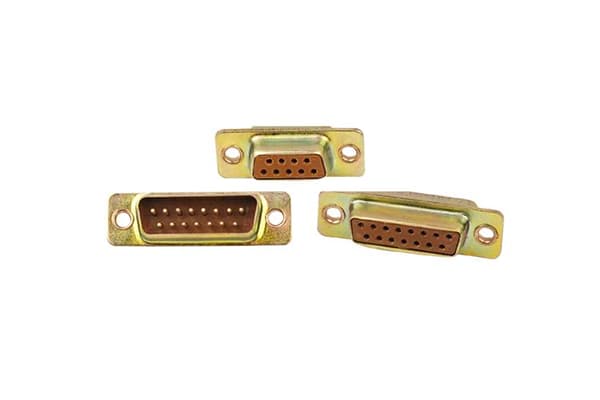
Common Types of Electrical Terminals
Electrical terminals are available in many forms depending on connection method and application:
- Ring Terminals – Ideal for high-vibration environments where secure fastening is required
- Spade (Fork) Terminals – Easy to install and remove, commonly used in control panels
- Pin Terminals – Suitable for terminal blocks and compact connections
- Butt Connectors – Used for wire-to-wire splicing
- Quick Disconnect Terminals – Enable fast installation and maintenance
Each type serves a specific purpose, so understanding your application is essential.
Key Factors to Consider When Selecting Terminals
- Wire Size (AWG / mm²)
Always match the terminal to the wire gauge to ensure proper crimping and conductivity. - Current and Voltage Rating
Underrated terminals can overheat and cause electrical failure. - Material and Plating
- Copper or brass for excellent conductivity
- Tin-plated for corrosion resistance
- Nickel-plated for high-temperature environments
- Insulation Type
PVC, nylon, or heat-shrink insulation affects durability and safety. - Application Environment
Consider vibration, humidity, temperature, and chemical exposure.
Crimping vs. Soldering
Crimping is the preferred method in industrial applications due to its mechanical strength and consistency. Soldering may be used in low-current electronics but is not recommended for vibration-prone environments.
Common Mistakes to Avoid
- Using the wrong crimping tool
- Mismatching wire gauge and terminal size
- Ignoring environmental factors
- Choosing low-quality materials to reduce cost
Conclusion
Selecting the correct electrical terminal improves system reliability, safety, and service life. By understanding terminal types and application requirements, you can avoid costly failures and improve overall performance.

Contact Us
Category
Office
Address
Jiangsu Province, China
Contact Information
Sales Team
[email protected]
Business Hours
Monday through Friday
8:30AM to 6:00PM